2026 Summer Newsletter
Content:
Message from the Executive Director
A Year of Lasting Impact
Partners for Life: Water, Wetlands, and the Upper Gunnison River Water Conservancy District
Supporter Spotlight
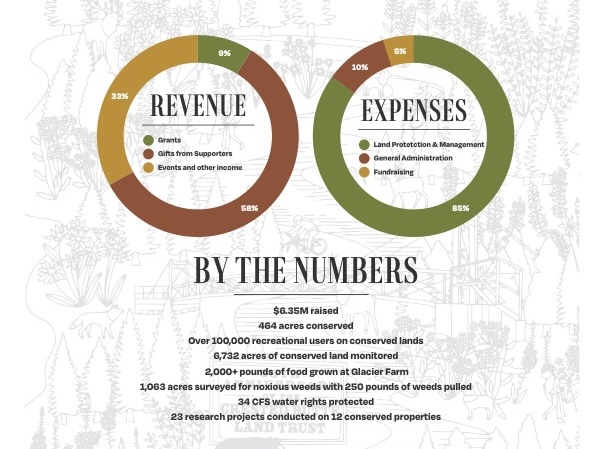
By the Numbers
Click here for the PDF version.
Message from the Executive Director
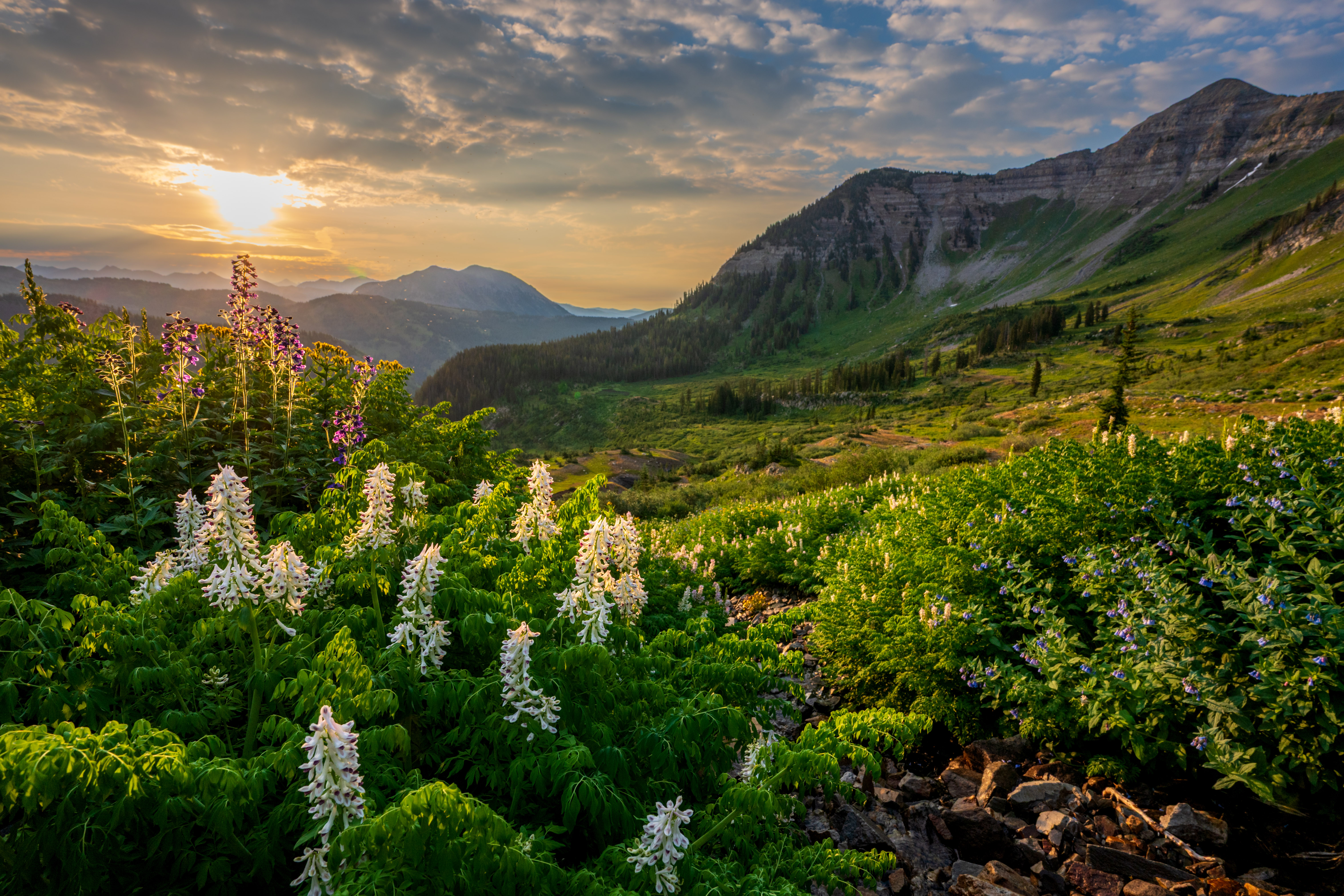
Welcome to our 35th anniversary summer newsletter — and the incredible year it captures.
When I think about what the Crested Butte Land Trust has accomplished over the past twelve months, I keep returning to one word: together. Together, this community raised $6.35 million to permanently protect 419 new acres in the Gunnison Valley. Together, we purchased the 90-acre Kapushion-Spehar Wetlands along the Slate River, conserved the Baxter family’s Cement Creek Ranch and its 1.9 miles of creek and 80 acres of wetlands, and permanently protected Long Lake for every generation to come. In less than twelve months, we accomplished what many organizations spend a decade working toward.
None of this happened by accident. It happened because we came together. It happened because of you.
Thirty-five years ago, a small group of neighbors sat around a dining room table and asked a simple question: how do we protect the most important areas for conservation while our community grows? They mapped out the landscape, identified what mattered most, and got to work. That founding vision, methodical, long-term and rooted in community, is still the engine that drives everything we do. As you will read in this newsletter, this vision lives on in supporters like Glo Cunningham, who was there in the early days of the Land Trust and whose commitment to this place has never wavered.
Inside these pages, you will find the stories behind this remarkable year: the Slate River Wetlands, now protecting the “front door” of Crested Butte and a primary tributary of the Colorado River Basin; the Cement Creek conservation projects that locked in a vital wildlife corridor for the Gunnison Basin elk herd; and another piece of Long Lake, now fully protected by a conservation easement in perpetuity. You will also read about our partnership with the Upper Gunnison River Water Conservancy District, a reminder that protecting land and protecting water are inseparable in our headwater community.
This is a moment to celebrate. But as Glo reminded me, the next chapter of conservation will look different than the last. Fewer parcels remain, and those that do will be harder and more expensive to protect. Caring for 86 unique parcels of more than 6,700 acres will demand more of us, not less. The work is not finished. It is, in many ways, just beginning.
What gives me confidence is exactly what has always made this place work: a community that grabs the bull by the horns when something needs to happen. You showed that again this year by coming together for conservation, and I am deeply grateful. Here’s to another 35 years together, and everything that still lies ahead.
With gratitude,
Jake Jones Executive Director, Crested Butte Land Trust
A Year of Lasting Impact
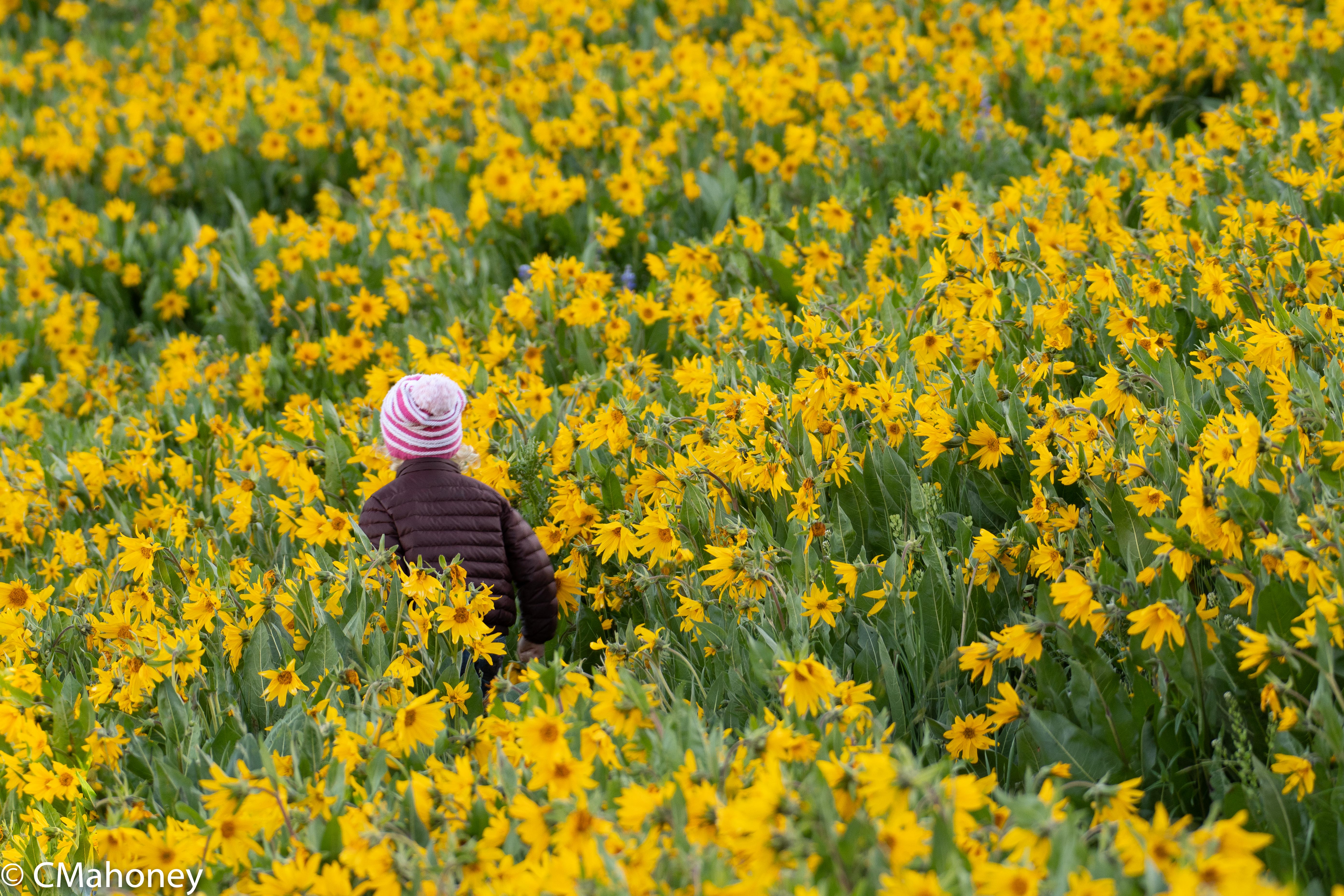
This past year, the Crested Butte Land Trust had a year unlike any other. A rare alignment of once-in-a-generation conservation opportunities and extraordinary community support pushed us into action, and you delivered. Together, CBLT raised $6,350,000 and protected 419 new acres in the Gunnison Valley in less than twelve months. Conservation in a place with high land values requires real resources. Here’s what we accomplished with your support.
Slate River Wetlands
In February 2026, CBLT closed on the 90-acre Kapushion-Spehar Wetlands parcel, a $3.8 million project made possible through a strong mix of grant funding and community generosity. Support came from the Town of Crested Butte’s Open Space Fund, the Gunnison Valley Land Preservation Fund, 1% for Open Space, the Gates Family Foundation, and more than $2,000,000 in private donations from friends and neighbors across the valley, including proceeds from the 2025 Land Trust Gala.
With the purchase complete, the Land Trust combined the new acres with our neighboring 55-acre Confluence Parcel and permanently extinguished all future development rights across all 145 acres, now protected by a conservation easement held by partner land trust Colorado Open Lands. This landmark project, right in the heart of Crested Butte, came together quickly and under pressure. That it happened at all is a testament to your generosity and your trust in CBLT’s mission.
Cement Creek
South of Crested Butte, the Cement Creek Valley is a vital wildlife corridor, a mosaic of private and federal lands where elk, mule deer, moose, and other species make their seasonal migrations across an open, connected landscape. This year, two projects helped lock that connection in place.
Cement Creek Ranch: In November 2025, CBLT partnered with the Baxter family to place a conservation easement on the 120-acre Cement Creek Ranch. Surrounded by National Forest, the property features nearly 80 acres of wetlands and open meadows, and 1.9 miles of Cement Creek winding through it. Funding came from the Town of Crested Butte’s Open Space Fund, the Gunnison Valley Land Preservation Fund, 1% for Open Space, Keep it Colorado, proceeds from the 2025 Land Trust Gala, and a significant landowner donation. We are deeply grateful to the Baxter family for their partnership and their commitment to this land. Because of them, Cement Creek Ranch will be free from subdivision and rich with wildlife and water resources — permanently.
Cement Creek 17-acre Parcel: The second project was the acquisition of a 17-acre parcel near the National Forest’s Cement Creek Caves trailhead. This highly used corridor marks the gateway to the forest and sees heavy recreational use. It’s also critical big game migration habitat, now protected, thanks to proceeds from the 2025 Land Trust Gala.
Long Lake
A multi-year effort came full circle this year with the acquisition of the 14-acre Pristine Point Lot 18 parcel, immediately adjacent to our existing 120-acre Long Lake property. That final piece allowed the Land Trust to place a conservation easement across all 136 acres, permanently protecting the southern half of Long Lake.
Funded by the Town of Crested Butte’s Open Space Fund, the Gunnison Valley Land Preservation Fund, and 2025 Gala proceeds, the Gunnison Valley’s favorite swimming hole is now not only owned by CBLT, it’s protected forever by a conservation easement held by Colorado Open Lands.
What It All Means
This past year belongs in the record books, but it’s also a beginning. The conservation of Long Lake, the Slate River Wetlands, and Cement Creek Ranch signals a meaningful new chapter for CBLT — more acres protected, more funds raised, and more community members engaged than ever before. Few investments last forever. Conservation does. Land protected today will remain intact for every generation that comes after us. Thank you for making this possible. We couldn’t do this work without you.
Partners for Life: Water, Wetlands, and the Upper Gunnison River Water Conservancy District
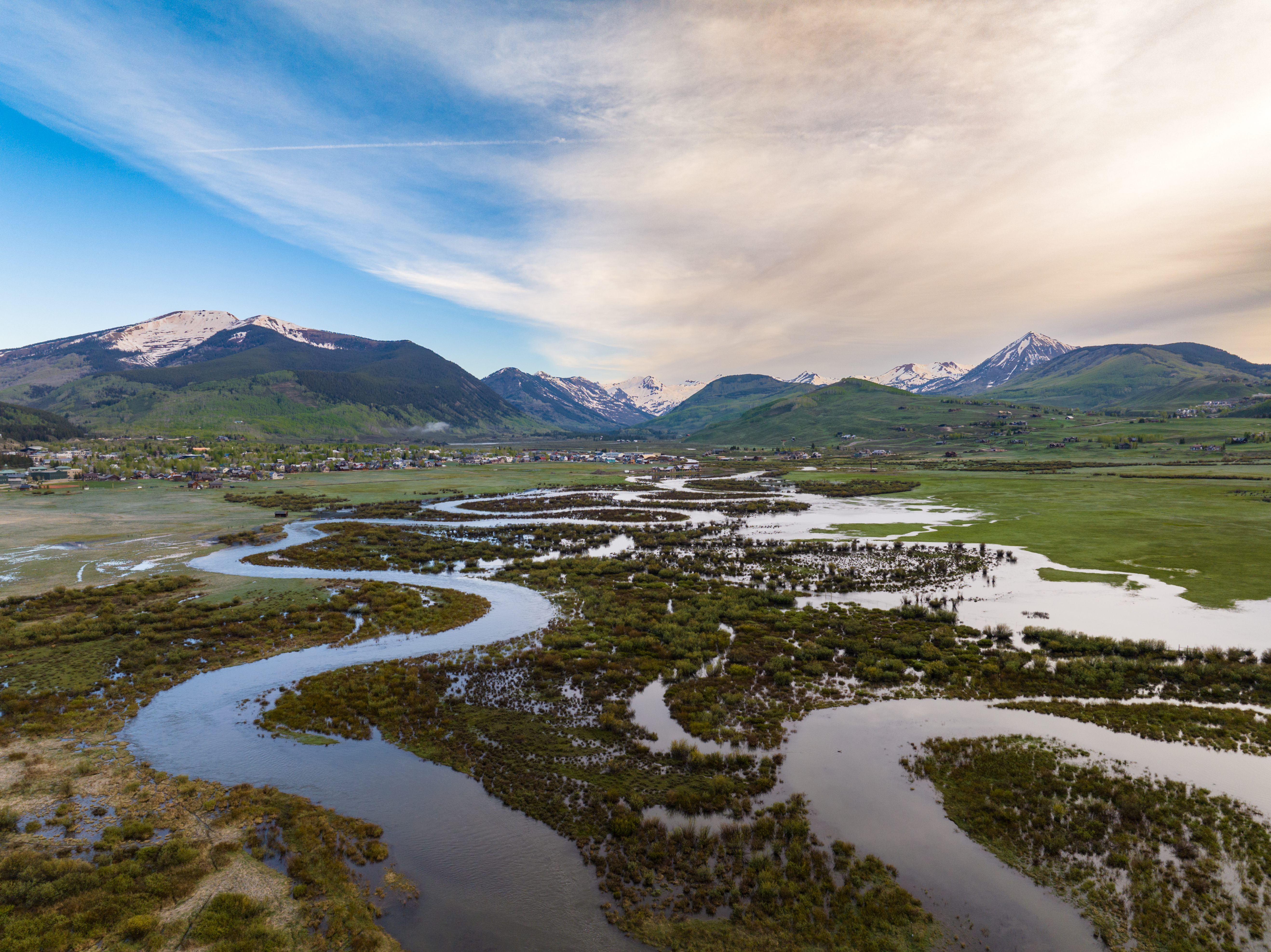
Community support and collaboration are at the heart of land and water conservation in the Gunnison Valley. Partners like the Crested Butte Land Trust (CBLT) and many others are essential in building resilient landscapes together. We are in it together, and what happens in our watershed affects everyone downstream. Conserved lands provide lasting benefits to our community by supporting healthy water systems, wildlife habitat, agriculture, and recreation. The result is a connected landscape where restoration, stewardship, and sustainable land use work together to help both people and ecosystems thrive in a changing climate.
Our home, the Upper Gunnison River Watershed, is a water tower for the west, providing a critical water supply for agricultural, municipal, environmental, and recreational interests. The Gunnison River, originating in our valley, is the second largest tributary in the Colorado River system, which serves more than 40 million people across seven states. Today, exceptional drought conditions are causing water shortages across the West, so it is even more important to protect, conserve, and restore our headwater resources to ensure our community remains resilient from climate-induced stressors.
For over 65 years, the Upper Gunnison River Water Conservancy District (District) has been an active leader in all issues affecting water resources in the Gunnison Valley. In other words, helping to protect our water resources so our community, economy, and environment can thrive. In our headwaters, water supply originates as high mountain snowpack that melts, filling the soil profile and supporting ephemeral, intermittent, and perennial streams and high-elevation wetlands. Acting as natural temporary reservoirs, these systems help capture, retain, and temporarily store water in the soil to be released later in the summer. Wetlands and irrigated pastures in the Gunnison Valley provide multiple benefits. They are important habitat for big game and local and migratory wildlife such as the federally threatened Gunnison Sage-grouse, and enhance watershed and wildfire resilience, reduce nutrients entering our stream systems, and promote flood-attenuation. Conserving these systems is a crucial step in securing a sustainable future for our community, especially in times of drought.
Protecting our wetlands and irrigated agricultural pastures are the cornerstone of enhancing drought resilience. Agricultural lands are important to conserve as flood irrigation has a similar effect on the landscape as natural wetlands. These productive lands use surface water diverted from streams that is applied to hay meadows with the goal of raising the shallow groundwater table or “sub” which can be used by crops and then slowly returned back to the river, extending late season base-flows in the lower lying river valleys. There are approximately 89,100 acres of conserved agricultural lands in the Upper Gunnison Valley.
In fact, the District is funding an Agricultural Return Flow Study in partnership with the U.S. Geological Survey, Colorado River District and State of Colorado, to help better understand the benefits of flood irrigation, groundwater and surface water interactions, and the short-term and long-term impacts of climate change, changing land use, and proposed agricultural conserved consumptive use programs.
Although our wetlands represent less than 2% of the land area in our basin, they provide essential benefits to our community, economy and environment. However, most of them are degraded and suffer from unnatural erosion due to historic land use and channel incision. These impairments are exacerbated by prolonged drought. Lowered groundwater tables, gully formation, and upland sagebrush encroachment have reduced wetland quality and function. These trends are intensifying with increasing temperatures and more variable runoff patterns. To address these challenges, the District’s Wet Meadows Program (Program), a collaborative, multi-agency restoration effort, utilizes low-tech process-based restoration (LTPBR) techniques to restore wetland habitat and function. By restoring degraded wetlands, these efforts stabilize unnatural erosion, restore groundwater tables, increase wetland plant cover and forage, and improve wildfire resilience. The Program’s goal is to restore and protect wetland habitat in the basin that supports Gunnison Sage-grouse, other migratory, terrestrial, and aquatic species, and the livelihoods of our agricultural community.
Another side-effect of prolonged drought and previous practices of preventing wildfire in our forests is increased severity and frequency of catastrophic wildfire events that threaten communities, public health and safety, infrastructure, wildlife habitat, and water quality. That is why our District funded basin-wide wetland, geo-fluvial, and wildfire zones of concern assessment studies. These studies helped inform where wildfire hazards exist on the landscape, where communities and water resource infrastructure are at rick, and where opportunities for pre-wildfire mitigation or conservation are beneficial to risk reduction. A huge aspect of risk reduction includes the permanent protection and enhancement of our wetlands, riparian areas, and conserved lands.
The challenges facing our watershed, from drought to wildfire, are complex, but the solutions are grounded in collaboration. By restoring wetlands, supporting working lands, and protecting key landscapes, we can strengthen the natural systems that sustain both our community and those downstream.
Partnerships between organizations like the District and CBLT are critical to this work. Together, we can scale restoration efforts, protect vital water resources, and ensure that the Gunnison Valley remains a resilient headwater landscape for generations to come.
Written by Jules Iovino & Amanda Aulenbach
Supporter Spotlight: Glo Cunningham
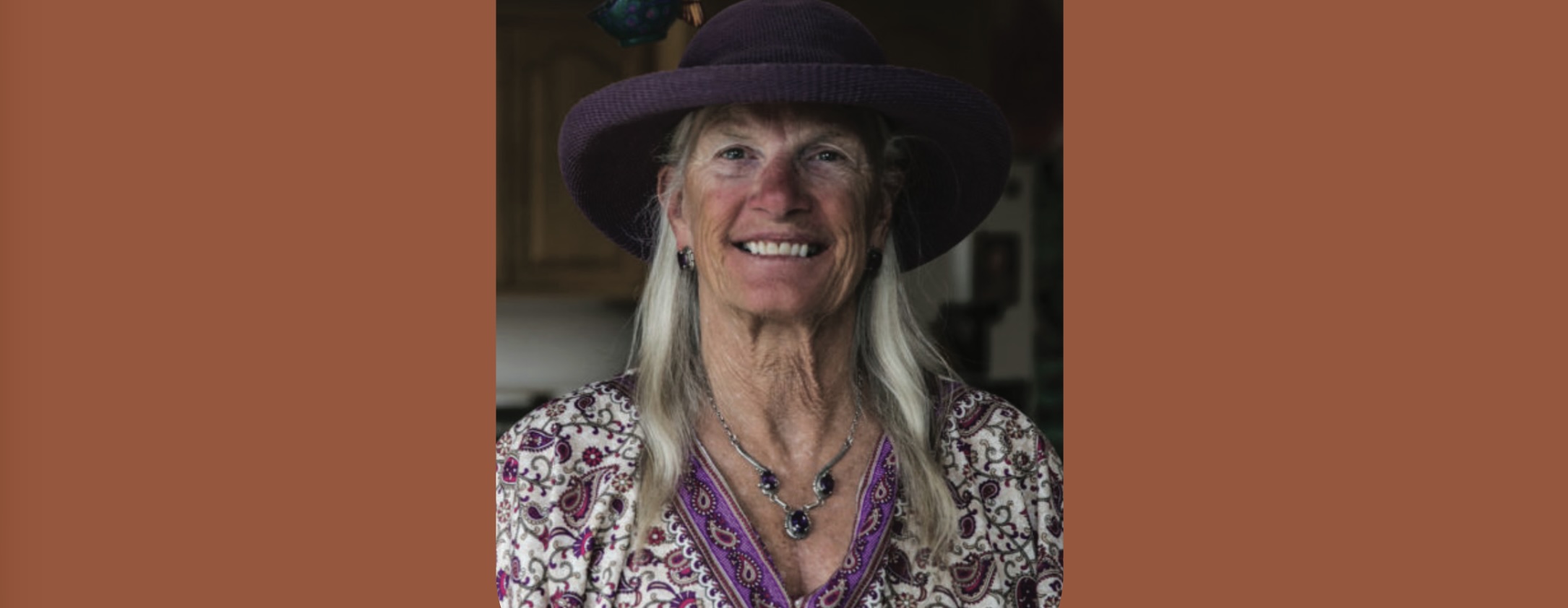
If you’ve spent any time in Crested Butte, chances are you’ve felt the ripple effect of Glo Cunningham’s energy, even if you didn’t realize it.
Glo arrived in Crested Butte in September of 1975, when the town had a population of around 500 people and dirt streets. Like many who came here during that time, she fell quickly and deeply in love with the landscape and the community. She immediately got to work protecting it.
Within months of arriving, Glo was involved in the early efforts to protest mining on Mt. Emmons, also known as Red Lady. That experience sparked what would become a lifelong commitment to community organizing, conservation, and building the institutions that help Crested Butte thrive.
“I’ve got energy.” Glo says with a laugh.
That energy has shaped this valley in lasting ways.
Over the decades, Glo has been instrumental in helping launch and lead some of Crested Butte’s most beloved organizations and institutions. She played a key role in the development of the Crested Butte Museum, helping preserve and share the valley’s history. She helped start 1% for Open Space, supported the creation of the Gunnison Valley Land Preservation Fund, and was part of the early vision behind events like Crested Butte Nordic’s Alley Loop and the Grand Traverse. And of course, she was there at the very beginning of the Crested Butte Land Trust.
Glo served on the Land Trust’s founding advisory committee and later the Board of Directors, helping guide the organization during its earliest and most formative years. She recalls sitting around a dining room table with other founding members for “FAC, Friday Afternoon Club.” When asked what she is most proud of from that time, she doesn’t point to a single project or moment, but rather the thoughtful way the founders approached the work.
“The early group was incredibly methodical,” she recalls. “They sat down and really mapped out the valley, what places mattered most, what needed to be protected, and what our priorities should be.”
That early vision helped shape decades of conservation work in the Gunnison Valley.
Today, Glo remains one of the community’s most valued sources of historical and institutional memory. Having been involved in so many organizations and carrying with her a deep understanding of how this community has come together, time and time again, to protect what it loves.
And when it comes to conservation, there’s one place in particular that holds a special place in her heart.
“The Lower Loop is the queen of conservation,” she says.
For Glo, the beauty of the Lower Loop isn’t just the open space or the views of Crested Butte Mountain. It’s the access, the ability for people to step out of their door and move through a landscape that feels both wild and welcoming.
“I love that you can walk or ride from town all the way to Wilderness,” she says. “That’s something really special.”
Looking ahead, Glo believes the next chapter of conservation will look different than the last.
“Stewardship,” she says without hesitation when asked about the future. “There are fewer properties left, and the ones that remain will be expensive and complex. Protecting what we’ve already conserved and taking care of it.”
Part of that work, she says, will continue to rely on the partnerships and community spirit that have always defined Crested Butte.
When Glo reflects on over 50 years here, it’s the people she speaks about most.
“The strength of this community is incredible,” she says. “I’m often surrounded by people I’ve known for 35 years or more. There aren’t many places left where that kind of community still exists.”
For her, that sense of connection is what has made it possible for Crested Butte to accomplish so much, from protecting Red Lady to conserving working ranchlands and beloved trails.
“This community grabs the bull by the horns when something needs to happen,” she says. “People step up.”
And when she looks at the Land Trust today, Glo feels a deep sense of pride.
“I’m proud of what it is and what it does,” she says. “It’s so neat to see it thriving. None of it would be where it is without the community behind it.”
For over five decades, Glo Cunningham has helped shape that community, bringing energy, vision, and an unwavering belief that people working together can accomplish extraordinary things.
Board of Directors
Kelly Harrison – President
Mike Higuera – Vice President
Jill Indovino – Treasurer
Kiley Flint – Secretary
Win Craven
Peter Dea
Steve Ferris
Jamie Henkel
John Mahoney
Lee Rigby
Chris Riopelle
Rusty Spinney
Laura Tomlinson
Get Involved!
Donate or Volunteer
Invest in your community! There are lots of ways you can support your local land trust.
Leave a Legacy
Please consider the Crested Butte Land Trust in your will or retirement plan.
Events
We hope to see you soon at one of our field trips, the Starry Evening Gala, the Caddis Cup gathering, and more! Visit cblandtrust.org or contact Development & Communications Manager Cheryl Cwelich at cheryl@cblandrust.org or 970-349-1206 to learn more.